Advance your career with a PM² Certification




Broaden your
training portfolio
Involved in EU Projects?

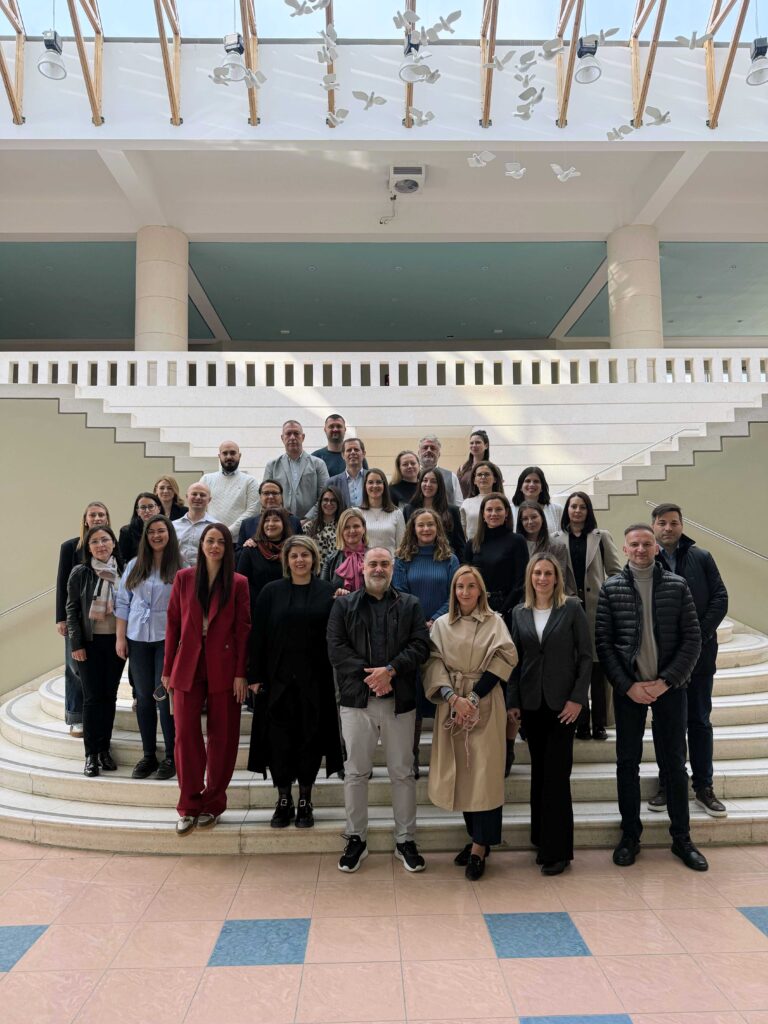
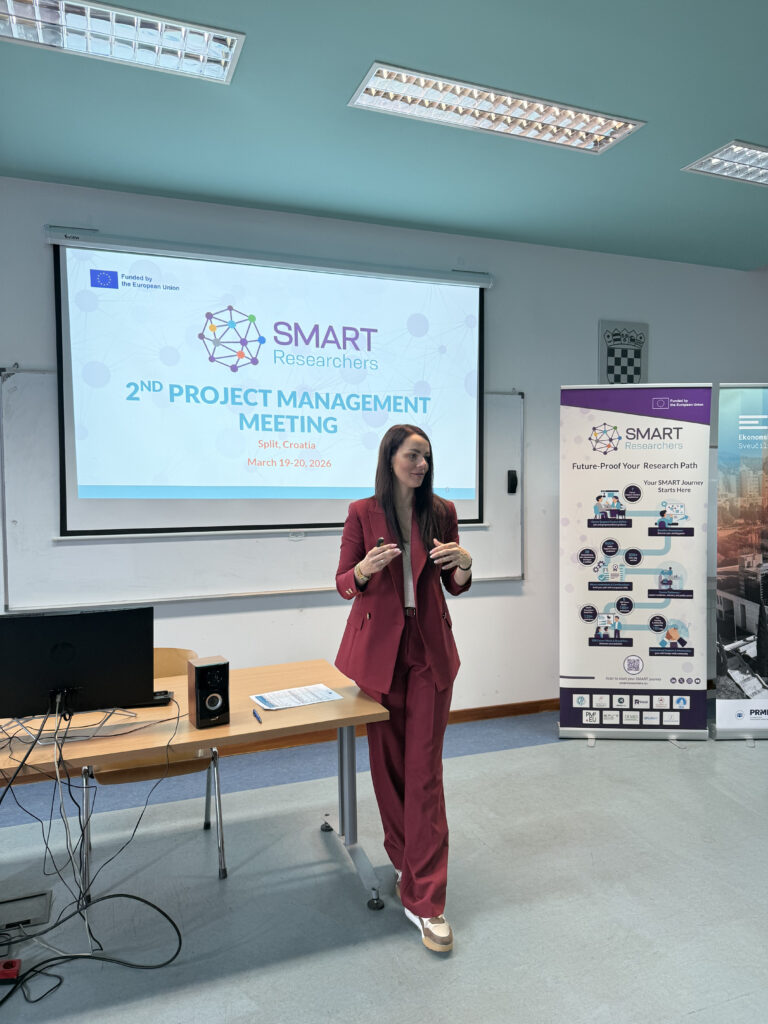
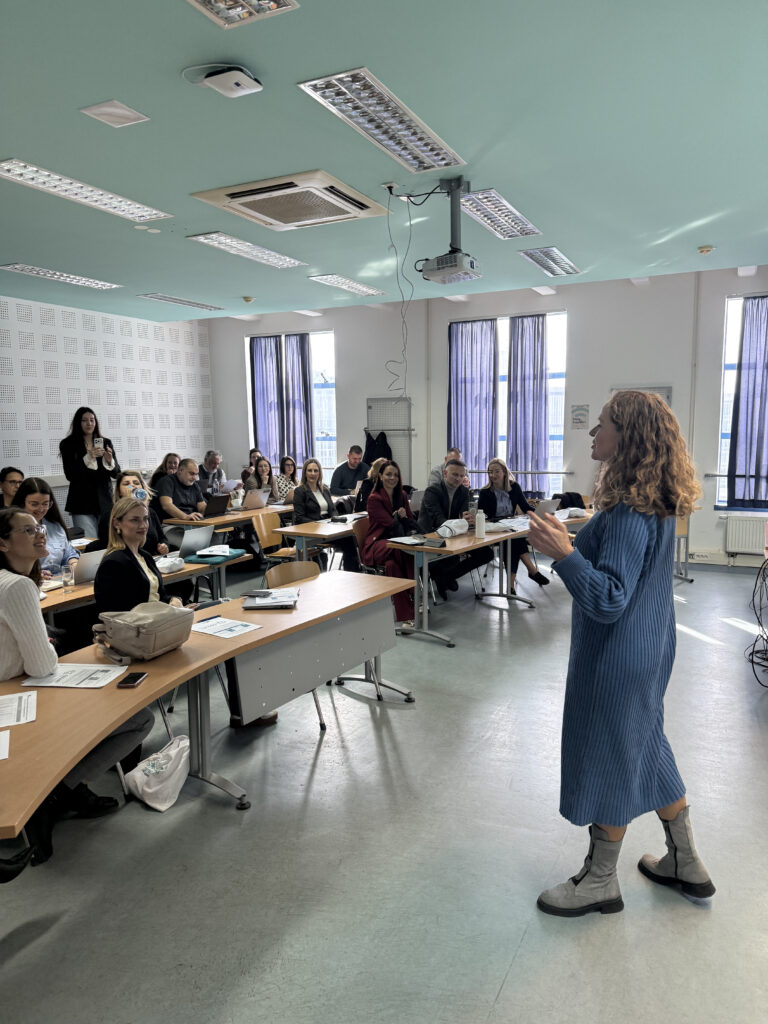
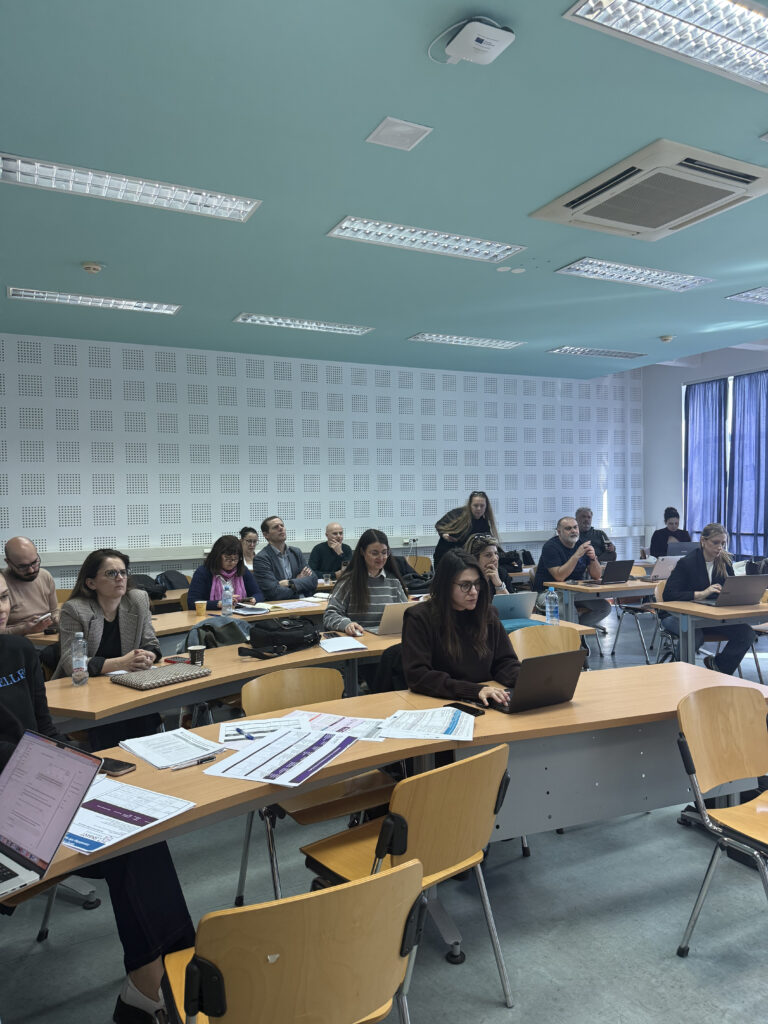
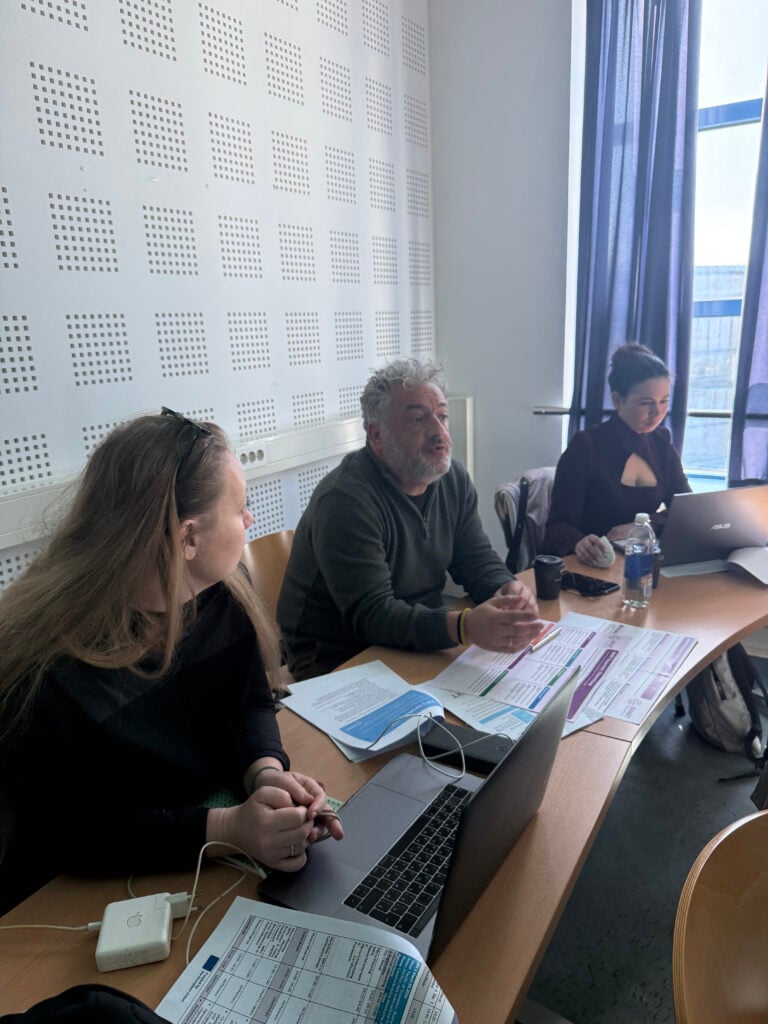
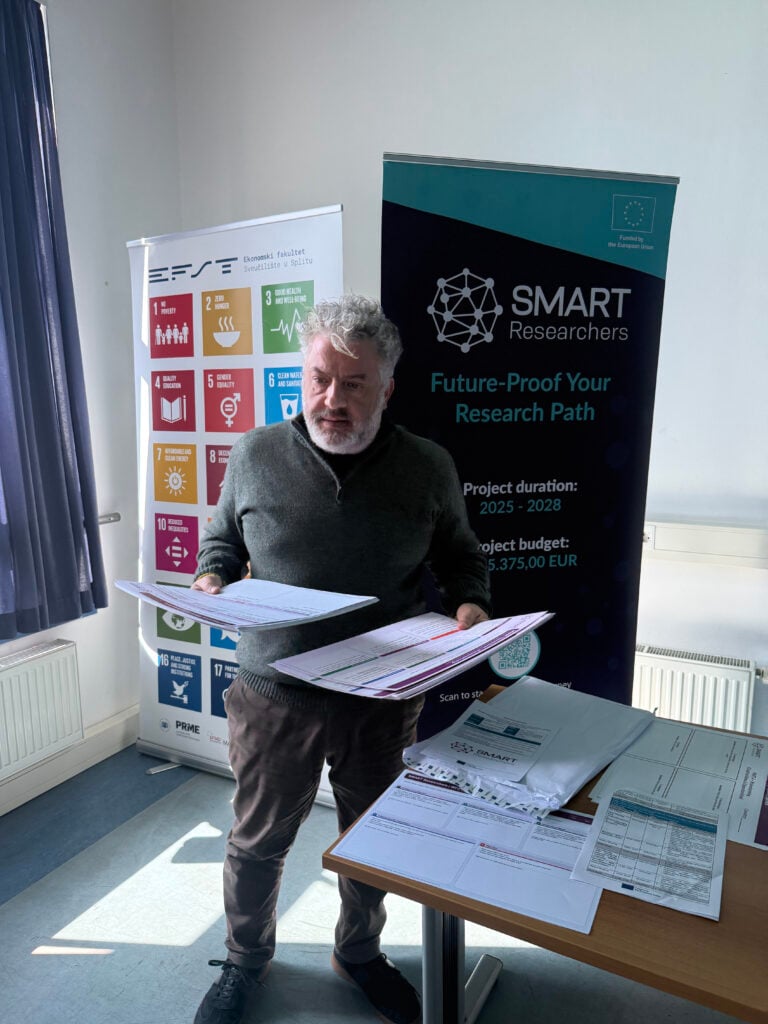
On 19-20 March 2026, partners of the SMART Researchers project gathered in Split, Croatia, for the 2nd Project Management Meeting, hosted by the Faculty of Economics, Business and Tourism, University of Split. The meeting served as an important coordination point for the consortium, bringing together work on institutional change, career support systems, competence development, monitoring, policy feedback, and communication strategy.
Within this broader agenda, WP3 played a central role on Day 2 of the meeting. The session “Micro-Planning – WP3: ResearchComp-based Micro-Credentialing & Certification Framework” was delivered by UNSFTS, EA, and PM² EU by ECVC, focusing on how the project will translate the European ResearchComp framework into a practical and scalable recognition system for early-stage researchers. The model presented links ResearchComp competences to learning outcomes, learning units, assessment, micro-credentials, and competence-area certification, with the longer-term aim of supporting recognition, mobility, and employability across sectors.
From our perspective, one of the most important aspects of the discussion was the emphasis on certification credibility and quality assurance. The proposed architecture distinguishes between micro-credentials delivered through partner institutions and certification defined, quality-assured, and awarded centrally at project level. This creates a stronger basis for consistency, comparability, and trust across the consortium. The session also highlighted alignment with relevant European quality approaches, including EQAVET and ISO 17024, reinforcing the ambition to develop a framework that is both rigorous and transferable.
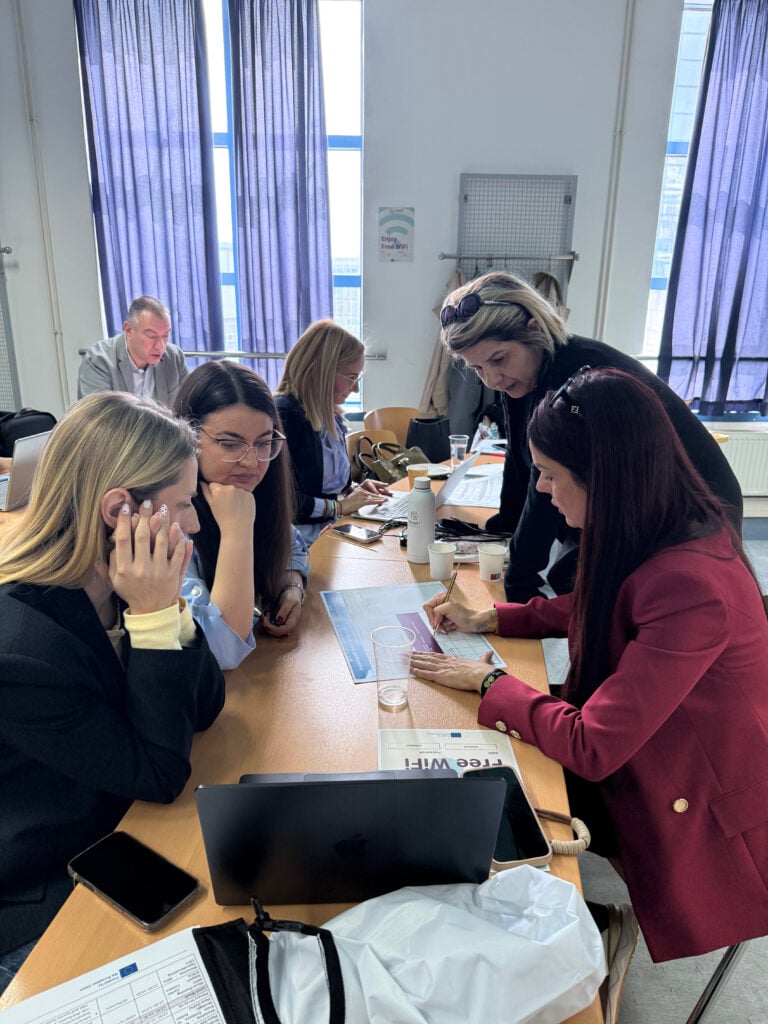
The WP3 workshop, Certification Design Canvas, gave partners the opportunity to work through the core design questions together. Rather than discussing detailed course content, the workshop focused on principles: what certification should signal, how credentials should stack, what minimum evidence is needed, how prior competence might be recognised, and what the pilot phase should test first. This was especially valuable because it moved the conversation beyond abstract agreement and into the concrete design choices that will shape the framework.
What emerged clearly from the workshop is that partners want a certification model based on demonstrated competence, not simple participation. The discussion pointed toward a stackable structure in which targeted learning and assessment can lead to micro-credentials, and micro-credentials can build toward broader recognition in ResearchComp competence areas. For PM² EU by ECVC, this is a particularly important direction, as it strengthens the reliability and practical relevance of the future certification model for researchers, institutions, and external stakeholders alike.
The Split meeting also confirmed how strongly WP3 is connected with the rest of the project. The evidence base developed in WP2, the institutional support structures under Career Support Centers, the monitoring logic in WP5, and the visibility and sustainability work in WP6 all contribute to making the certification framework meaningful and usable in practice. This integrated approach is one of the major strengths of SMART Researchers.
We are pleased to have contributed to this important step in the co-design of the SMART Researchers certification pathway and look forward to the next stage of framework development, pilot preparation, and validation with project partners.
Engage with PM² EU by ECVC
Follow the channels above for updates, opportunities, and pilot results from SMART Researchers.
PM² EU by ECVC—turning capabilities into verified credentials.
© 2025. PM².EU - PM² Center. All Rights Reserved.